Tip & Tricks

Your Quick Guide to the Types of Architecture Lights

What’s Architecture Lighting?

Architectural lighting is a key component of interior and exterior design, enhancing the aesthetics and functionality of a space while highlighting architectural features. Here are some types of architectural lighting commonly used:
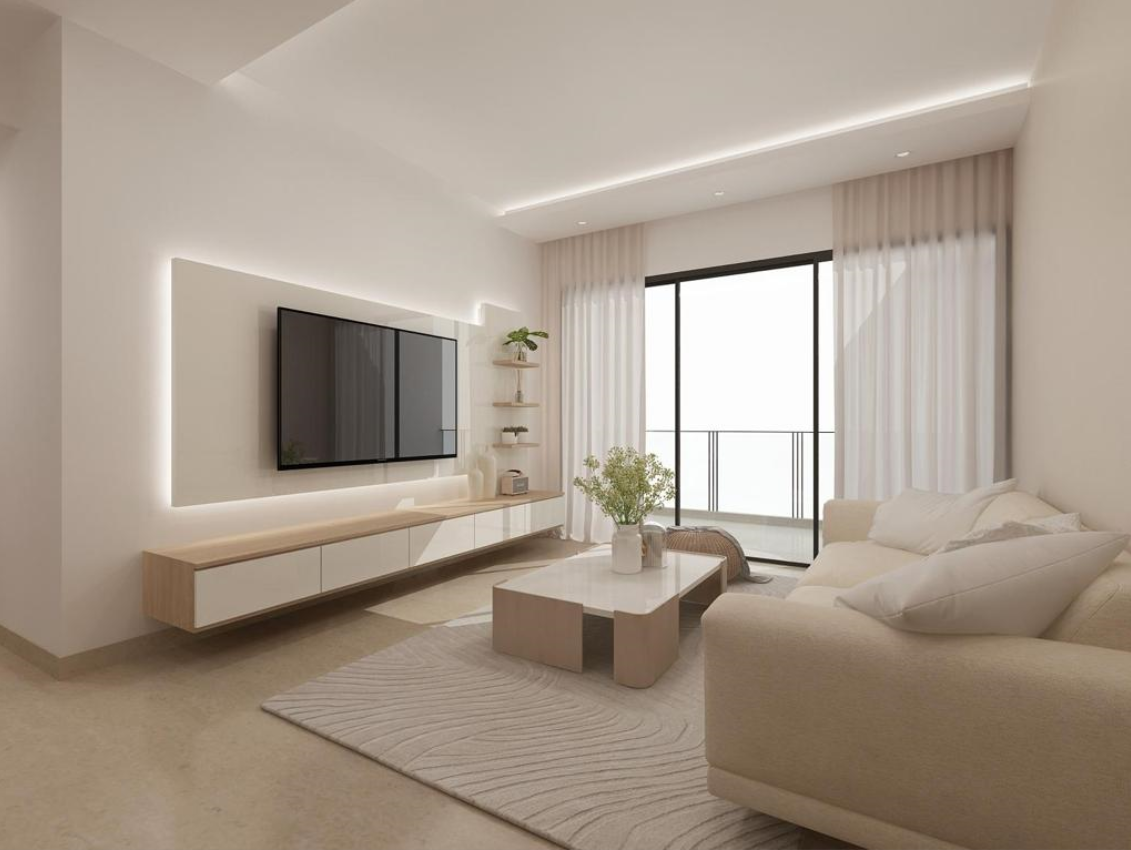
A Minimalist Home Featuring Cove Lighting


1. Cove Lighting
  • Installed in a recessed area, such as a ledge or valance, to direct light upwards towards the ceiling.
  • Creates a soft, diffused glow, enhancing the perception of space and adding a touch of elegance.


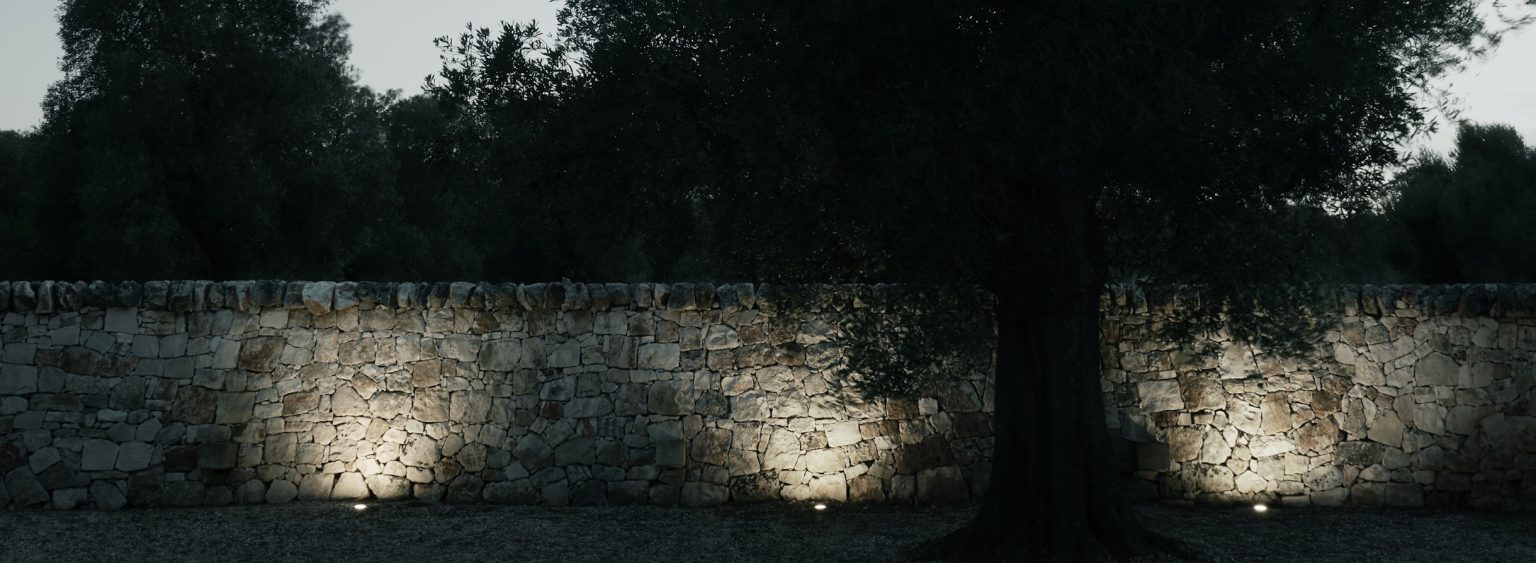
Featuring Flos’s Outdoor Luminaire

2. Wall Grazing/Wall Washing

  • Fixtures placed close to the wall, directing light at a steep angle to highlight textures and surfaces.
  • Ideal for emphasizing stone, brick, or textured walls.

Featuring Recessed Lego 5 Light in a Well-lit Home
3. Downlighting

  • Fixtures placed high up, directing light downwards.
  • Used for general illumination or to highlight specific areas like seating arrangements or walkways.

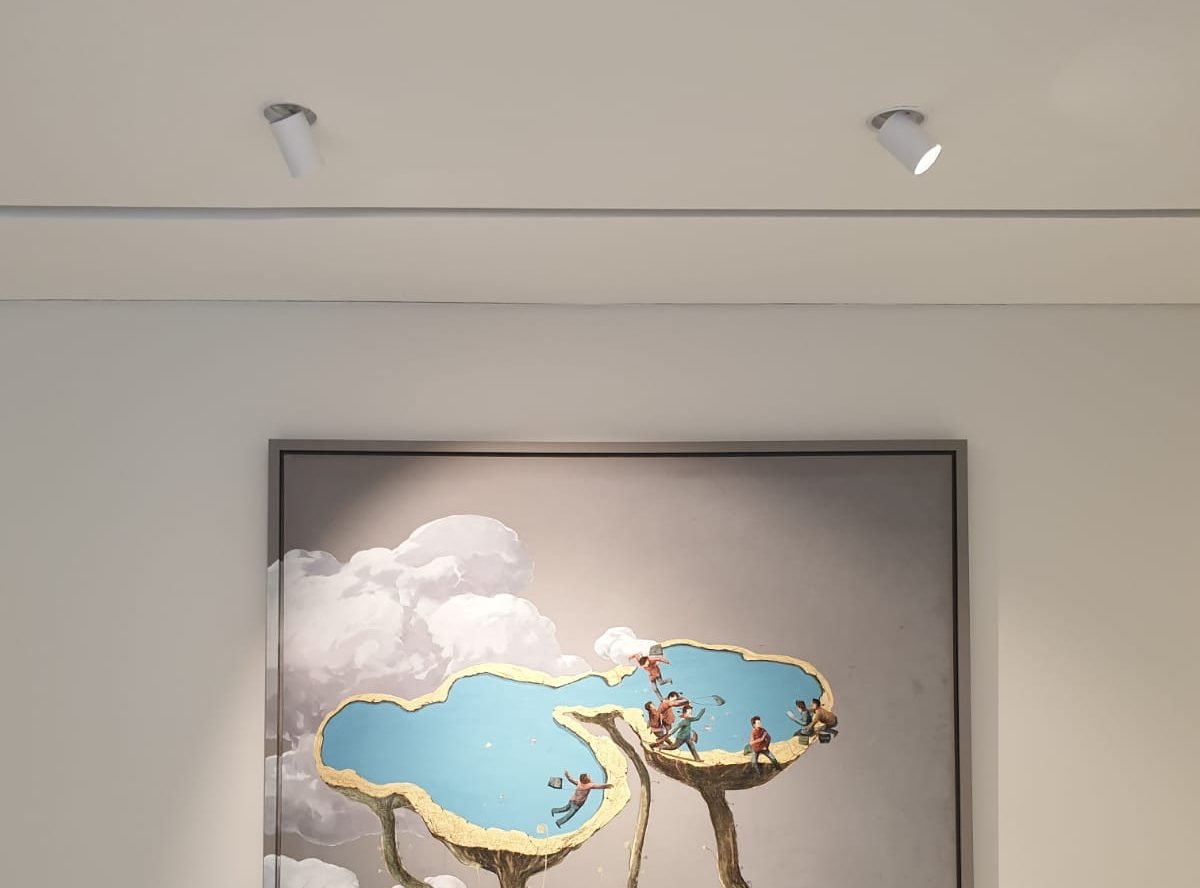
Featuring Art Recessed Light Gracefully Accentuating Details of a Beautiful Painting
4. Accent Lighting

  • Focused lighting to draw attention to specific architectural details, artwork, or decorative elements.
  • Can be achieved using spotlights or directional fixtures.

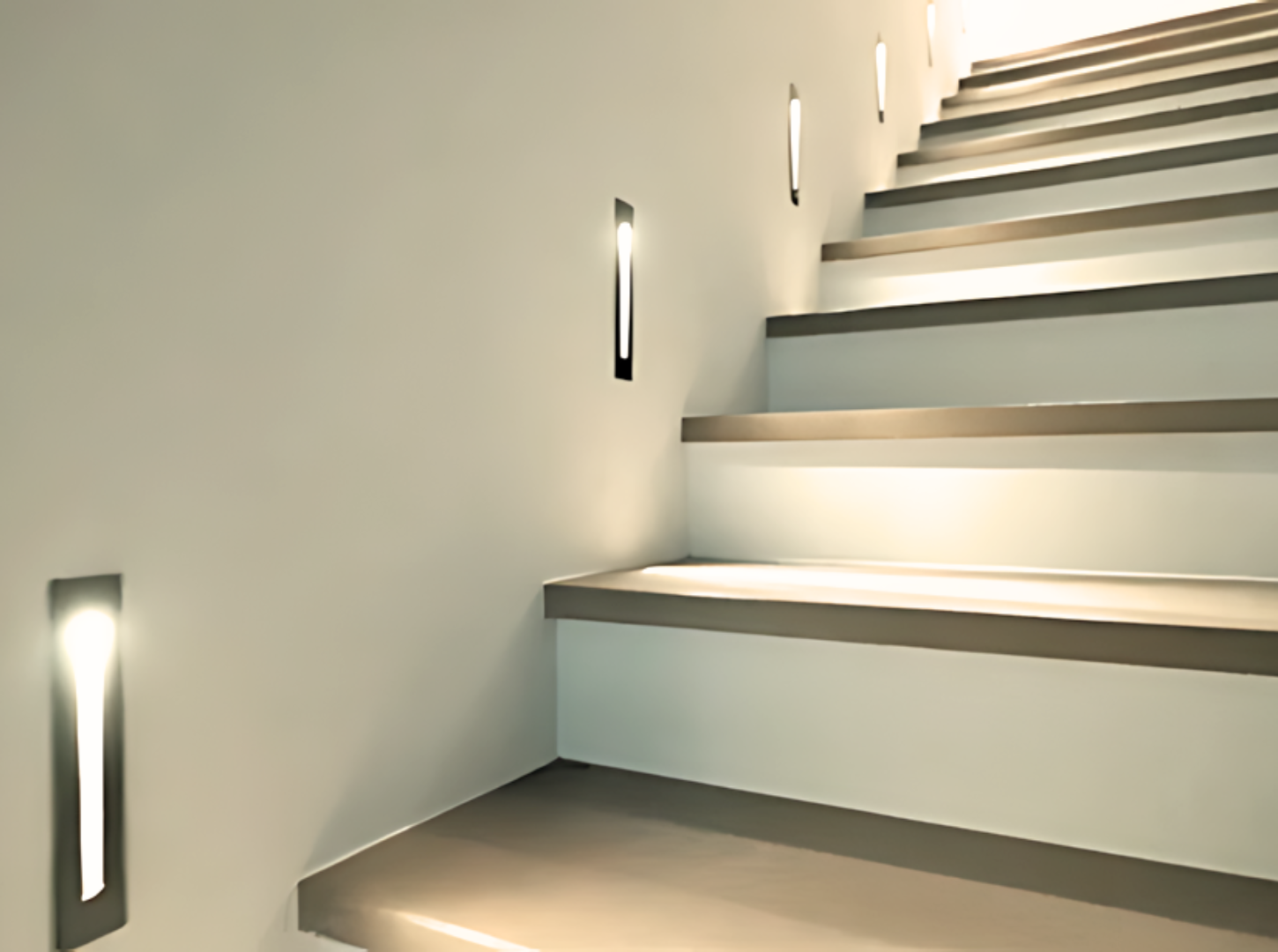
Featuring Line Recessed Wall Light

5. Step and Stair Lighting

  • Lights integrated into the steps or risers of stairs.
  • Enhances safety and adds a stylish element to staircases.

Other Factors to Note before Purchasing Architecture Lights:

  • Purpose: Determine whether the lighting is for functional purposes, aesthetic enhancement, or both.
  • Fixture Placement: Carefully consider the placement of fixtures to achieve the desired lighting effect.
  • Light Intensity: Choose the appropriate brightness to avoid over-illumination or under-illumination.
  • Color Temperature: Select warm or cool light tones based on the ambiance and the materials being highlighted.
  • Control Systems: Incorporate dimmers, timers, or smart controls for flexibility and energy efficiency.
  • Energy Efficiency: Opt for LED fixtures and energy-saving solutions to reduce energy consumption.
  • Integration: Ensure the lighting design complements the overall architectural and interior design of the space.

Leave a Reply

Your email address will not be published. Required fields are marked *